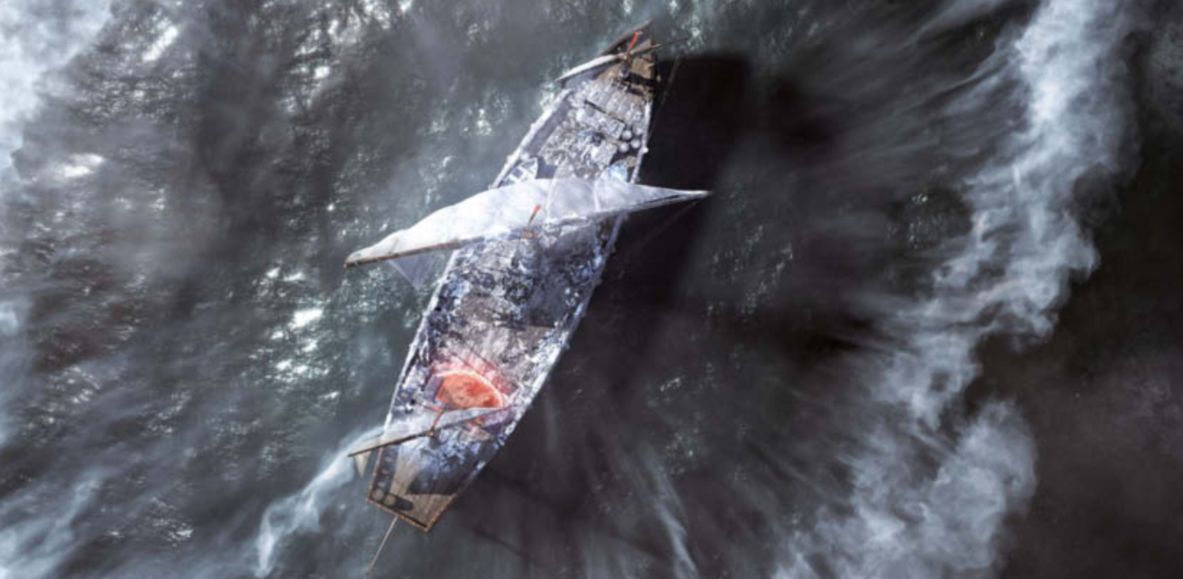
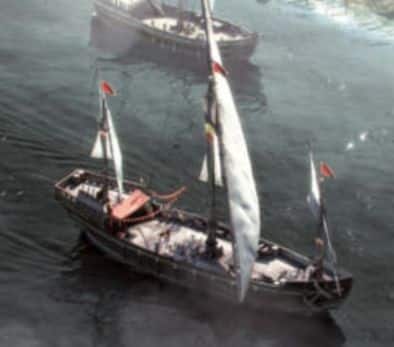
The VFX studio Platige Image from Poland has already earned a good reputation in the industry with its unique style and unusual projects such as the short film “Paths of Hate” or the Lars von Trier film “Melancholia”. The intro to “The Witcher 2: Assassins of Kings” is another milestone in their VFX oeuvre and was nominated for the animago AWARD 2012 in the “Best Postproduction” category.
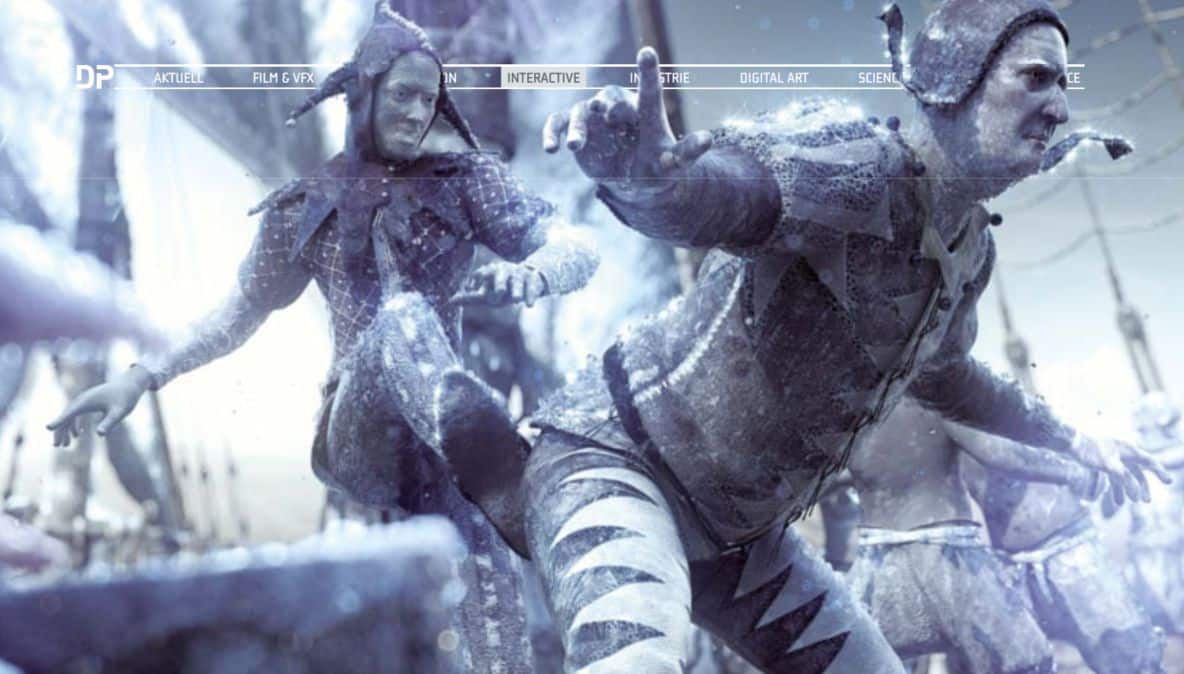
The second part of the fantasy role-playing game “The Witcher” was released in May 2011 in the PC version, but it was only this year that the game was released in the enhanced version for the Xbox 360. The Polish development studio CD Projekt has been working closely with the VFX studio Platige Image since the release of the first instalment in 2007, and this cooperation has continued for the second part of the game. Platige Image created an extremely elaborate intro for the Xbox version of “The Witcher 2: Assassins of Kings”, which was one of the most demanding projects in the 15-year history of the VFX studio. Lots of blood, time jumps and shattering ice made the project a huge challenge for the 50-strong team, who spent nine months working on the four-minute sequence.
DIGITAL PRODUCTION met for an interview with Tomek Baginski, the director, and Maciej Jackiewiscz, the CGSupervisor of the intro for “The Witcher 2: Assassins of Kings”. They talked to us about the details of the production of this impressive work and revealed what made it so difficult to work on.
DP: How did the contact with the development studio CD Projekt come about?
Tomek Baginski: It’s a long story. The co-operation has existed since the first part of “The Witcher” a few years ago. We formed one of our film teams specifically around this project. We get on well with the CD Projekt crew and really admire their work. On the other hand, they also have a lot of trust in us and our work, which is what makes this co-operation so unique. It is more of a partnership than a simple customer relationship.
DP: Why was such a spectacular intro created especially for the Xbox release of “Witcher 2”?
Tomek Baginski: The film is actually an original idea for the intro of “The Witcher 2”. It was planned at a very early stage of the game project a few years ago. I don’t know the exact reasons why it was added after the PC version was released. CD Projekt could answer that question better. But I always loved the basic idea of the project, so I didn’t hesitate for a second when I was asked to rewrite the script and direct the intro. It was one of the most challenging and complicated projects in Platige Image’s history, but we also knew from the start that it was going to be something very special.
DP: Were you able to use assets from the game or did you have to create everything from scratch?
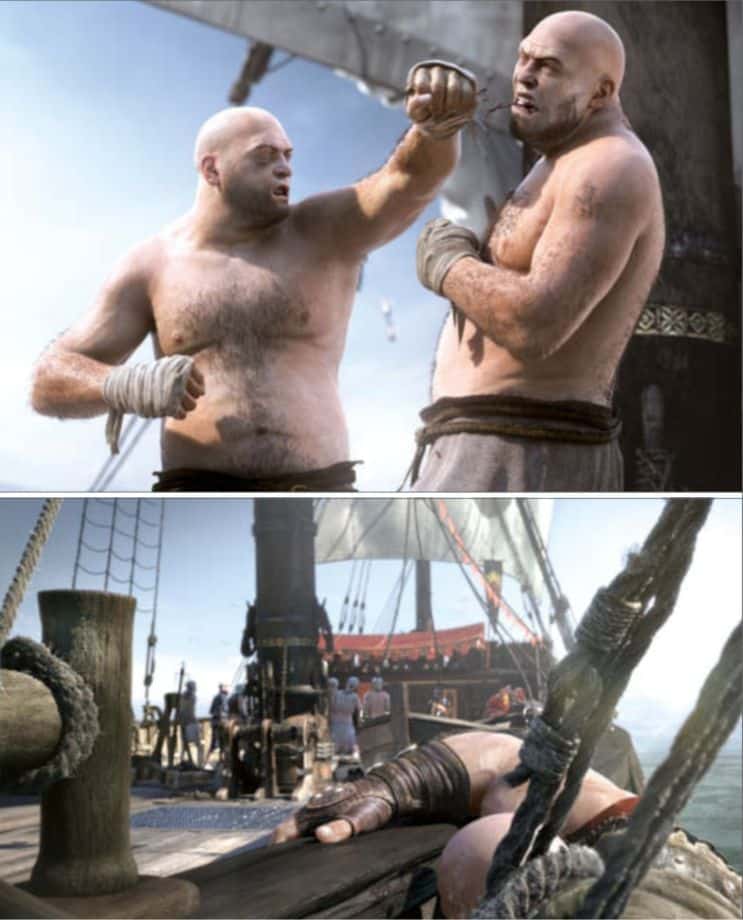
Maciej Jackiewiscz: Oh yes, they gave us a lot of material: concepts, zbrushes and sculptures from the game in very good quality that we could use. Especially the main character of the intro looks exactly like in the game.

DP: How was the workflow organised between Platige Image and CD Projekt?
Tomek Baginski: We worked very closely with CD Projekt. Most of the characters were based on the existing characters in the game. We used the same assets, but we had to improve both the models and the textures, and some of the work had to be done from scratch. The level of quality we needed for the characters was insane.
DP: Did Platige Image have any freedom in the design?
Tomek Baginski: We made the decisions about the lighting, the sets and the overall look of the film together with CD Projekt. We had some freedom, but all our main decisions had to be approved by CD Projekt – especially by the man behind the look of the game, Adam Badowski. It was a great co-operation and I would love to work with Adam again.
DP: Maciej, where did you study and how did you come to Platige Image?
Maciej Jackiewiscz: I didn’t finish my studies, but left university very quickly. I first worked in games and then with 3D, but that wasn’t what I actually wanted to do. I’ve been working at Platige Image for about six years now and I’m a CG supervisor for commercials and game projects. I would describe myself more as self-taught in terms of my training.

DP: What tools were used to create the fluids in the trailer, was a fluid module used?
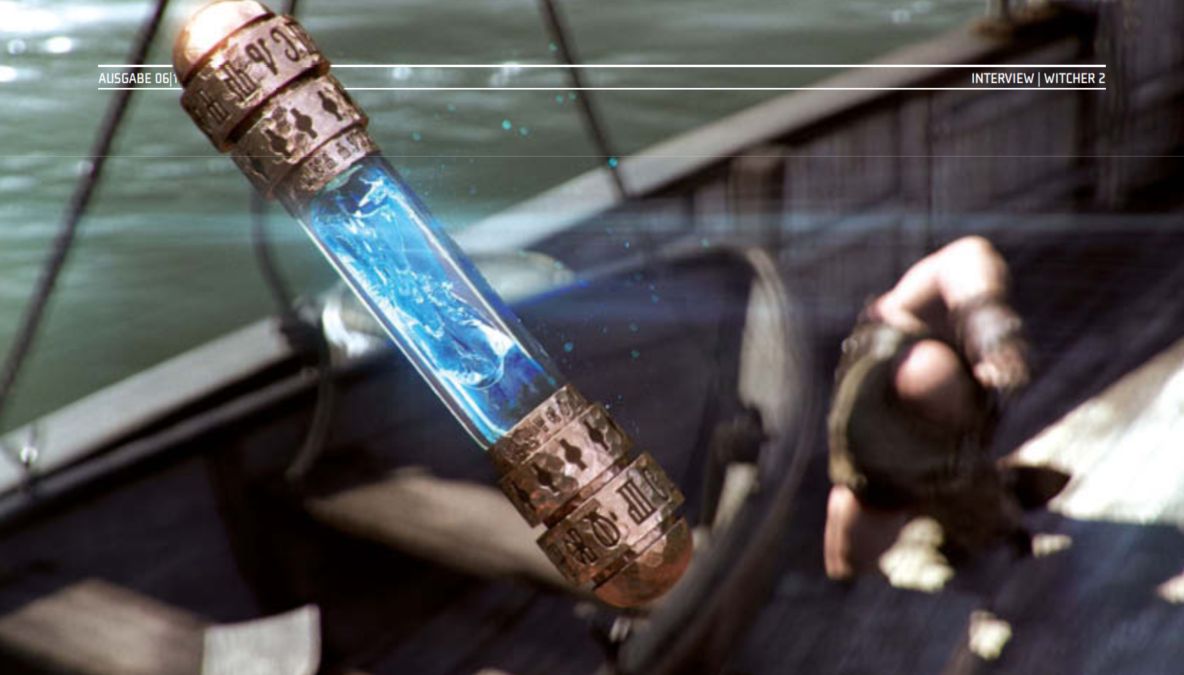
Maciej Jackiewiscz: The river on which the ship floats is not a fluid simulation, it’s just mesh with displacement. There is no interaction with anything, it just looks like water. But there was a lot of blood in this intro, so we used Fluid Simulations for that, as well as for the blue liquid in the magic bottle. We created both with RealFlow.
DP: Were there any challenges regarding these fluid simulations?
Maciej Jackiewiscz: It was difficult because of the time changes in the trailer: the slow motion scenes, then the speed fight scenes and the frozen sequences. This is not easy to simulate in the trailer itself, so we put the blood into the scene as separate assets.
DP: And what tools did you use for the clothes?
Maciej Jackiewiscz: Primarily tools for Maya supported by 3ds Max. For the particles and the ice we used Thinking Particles for 3ds Max and Fume for the smoke. Nothing out of the ordinary.
DP: And what was the biggest difficulty of the project in general?
Maciej Jackiewiscz: I think the large amount of destruction made the project very complex. The environment in the scene is alive, the ground breaks and falls down, that was the most difficult part of the trailer.
DP: Did you have to do any development work for the project?
Maciej Jackiewiscz: We created some pipeline tools for 3ds Max and a tool we call Shot Builder. This tool allows us to combine different assets, characters and shaders as well as animations for the characters. The tool built some shots automatically so that we only had to give the finished shot to the lighting department.
DP: Do you prefer working on games or films? What are the differences in these two areas?
Tomek Baginski: From my perspective, there is no difference. We are clearly a film studio. Our work for games doesn’t consist of building assets or working on a game engine. The “Witcher” intro was purely film work. If we compare the work for games with – for example – commercials, the only difference is that we can kill a lot more people on the screen and the film is still shown. For a work like “The Witcher 2” the quality requirements were very high, in our typical projects we don’t use so many virtual characters. But the basis of the work was the same as in every other project we’ve done in our studio over the years.
Maciej Jackiewiscz: In my opinion, the customer is more of a problem in the games industry. Gamers are very critical of their games and we have to make sure that the visuals stay very close to the game world. The fans of the game pick out every detail – for example, if an arrow doesn’t behave correctly and flies in an unusual way, they notice it immediately and post it on game forums. We have to be very careful that we don’t do anything wrong.
DP: And which game is your personal favourite, Maciej?
Maciej Jackiewiscz: I try not to play games because I get addicted to them. Last month I got rid of my mouse and since then I’ve only been working with my tablet. At Platige Image we occasionally play some shooters. It’s fun when you can shoot your boss in a game.